
Oren Klaff
Founder & Director of Capital Markets
Capital markets expert, investment banker, and best-selling author. Over $1B in financing outcomes.

Real Infrastructure. Real Returns.
We're now opening our revenue round. Join us scaling a fully self-funded business before the company hits the public market. Stone Engineering Equity Group is a single-purpose SPV formed exclusively to invest in OK Stone Engineering Inc. This offering is available to verified Accredited Investors only.
* This offering is made pursuant to Rule 506(c) of Regulation D under the Securities Act of 1933 and is available to verified Accredited Investors only. All projected returns and timelines are forward-looking statements and are not guarantees of future performance. See full legal disclaimer.
For Accredited Investors Only · This offering has not been registered with the SEC or any state securities authority · Securities are offered under an exemption from registration pursuant to Rule 506(c) of Regulation D
By The Numbers
Total Funds Raised
$40M+
Committed to Date
Backed By
400+
Investors
Target ROI *
3-5X
Return Multiple
Manufacturing Facility
170,000
sq. ft. in Texas
2026 Revenue Target *
$30-50M
Revenue
Target Exit *
NASDAQ IPO
IPO Target: 2028–2029 *
* All figures marked with an asterisk are forward-looking projections based on current expectations and assumptions. They are not guarantees of future performance. Actual results may differ materially due to risks, uncertainties, and other factors. Stone Engineering Equity Group, LLC is a single-purpose SPV formed exclusively to invest in OK Stone Engineering, Inc. These securities are illiquid, and there is no public market for them nor is one expected to develop. There is no guarantee of any return on investment. Investors may not be able to sell or transfer their securities and could lose their entire investment. Past performance is not indicative of future results. See full legal disclaimer.
Made in the USA
This isn't paper wealth or promises. Stone Engineering brings institutional discipline and deal structure to investors who want direct access to high-growth opportunities.
Due Diligence
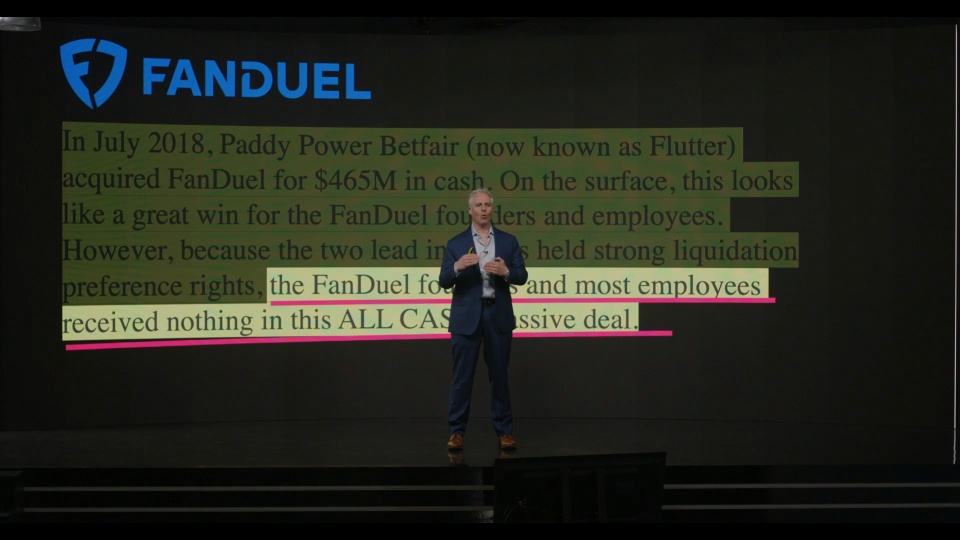
An Inside Look
This is how we play the Game of Money. It's not for everyone. This is for institutional capital that understands the hunt. We don't chase deals. We dictate the terms. Here's a look inside our Royal Flush process: how we screen, underwrite, and qualify opportunities built for serious players. *For informational purposes only. Not investment advice.*
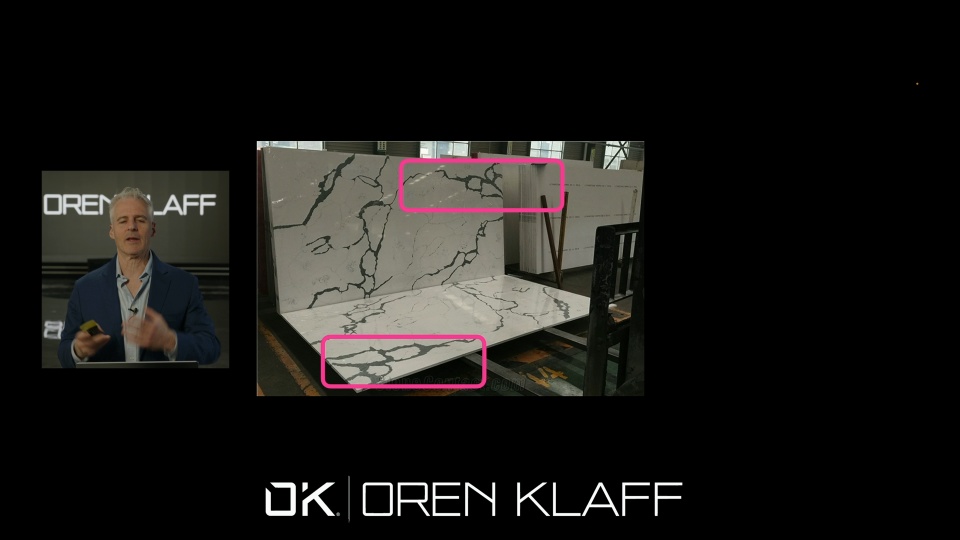
The Deal
This is the full debrief: deal structure, returns, and the exit. We break down the market, the product, and the precise plan for scale and distribution. You get the timeline to liquidity and every key metric an investor needs to see. No fluff. Just the core of the deal.
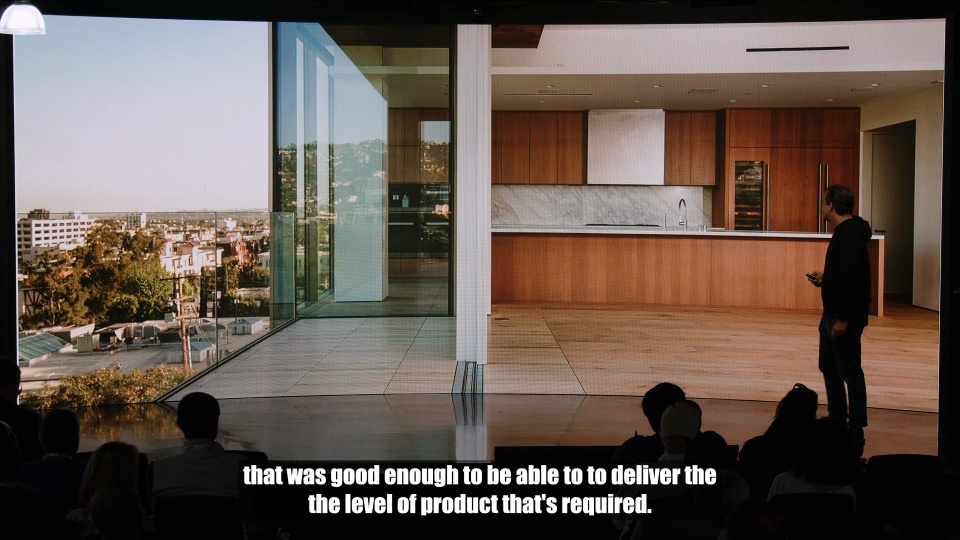
The Blitz
Forget gradual growth. This is a market takeover. Our distributor has a detailed battle plan for rapid, overwhelming expansion. This presentation is the blueprint for how we dominate new territories, one by one. It's not a forecast. It's a schedule of execution.
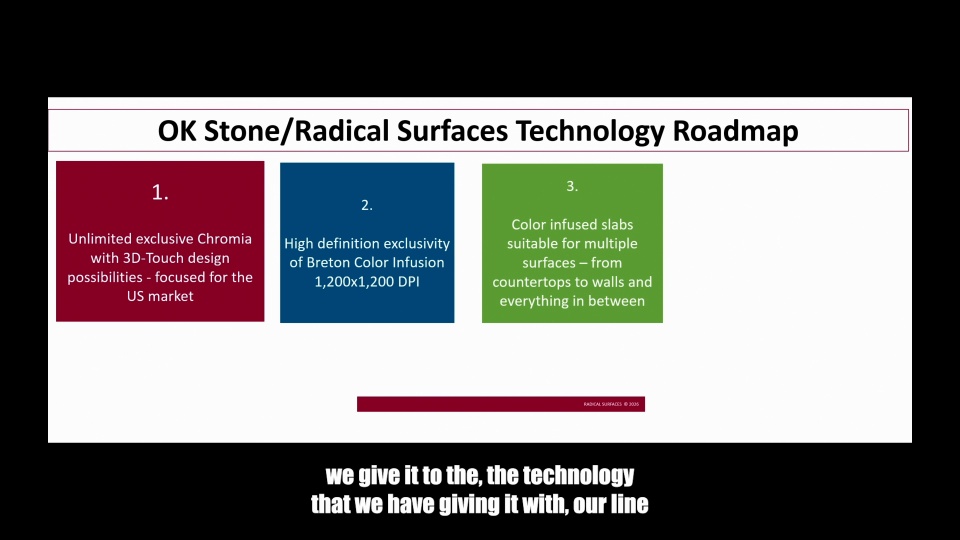
The Unfair Advantage
Hear directly from our tech partner. Exclusive, customizable, 3D-printed solutions that make the competition irrelevant. And the edge most investors overlook: our silica-free product eliminates the liability the rest of the industry is still carrying. That's a moat.

The Inner Circle
This is what it looks like when a community of serious players gets in the room together. 400+ investors, inside the deal, playing the Game of Money. This is where the relationships are built that drive real results today and in every deal that follows.

The Core
An exclusive gathering for a select group of investors. This isn't a networking event. It's a closed-door session to build the relationships that go beyond this deal. This is the community that carries into future deals, where business and personal connections forge a lasting alliance.
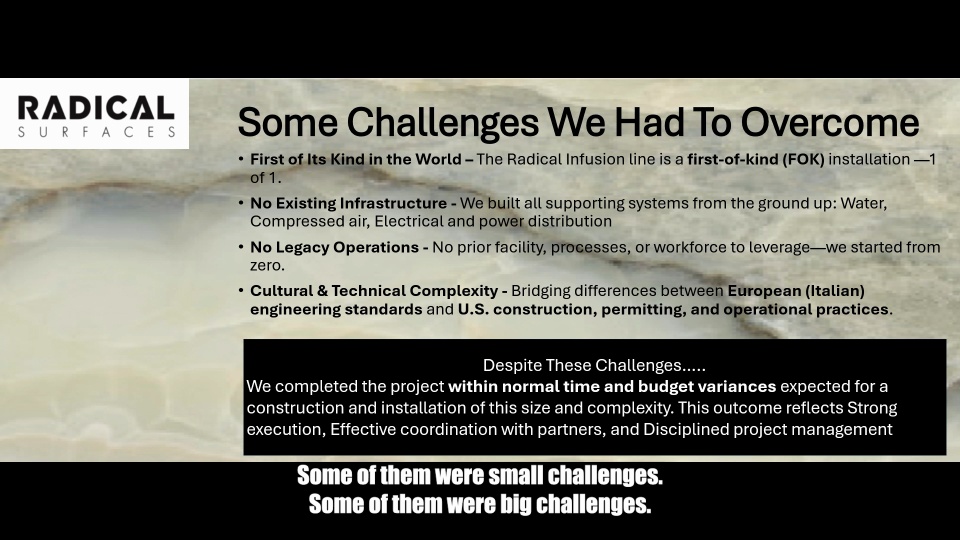
The Vision
Hear it from the top. Our CEO, Guy Bar Ner, on the vision, the distribution, and the scaling strategy. This is how we're innovating and how we're revolutionizing the industry. This is the plan, from the man executing it.
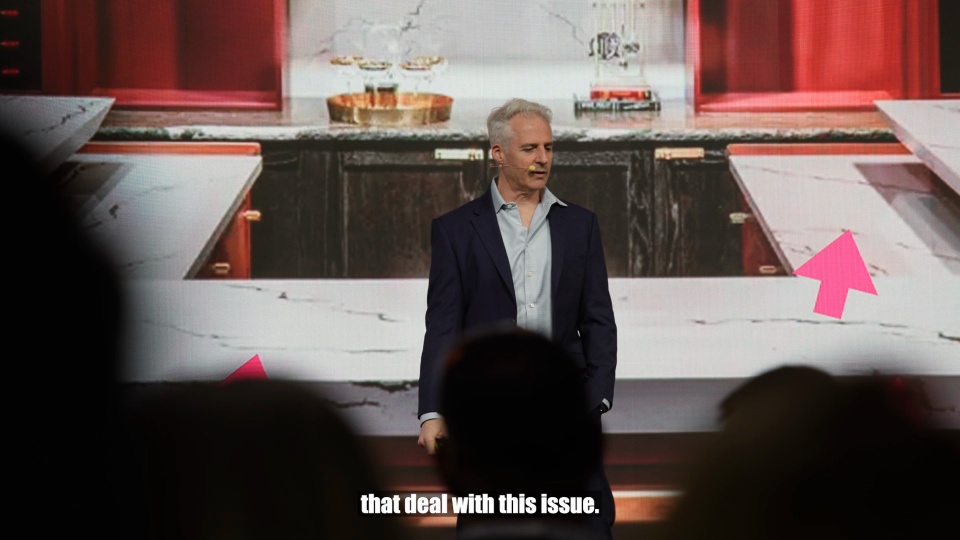
The Philosophy
Our founder, Oren Klaff, at the 2026 Shareholder Conference. The mission, the values, and the machine we've built. Where we are today, and the vision driving us forward.
Due Diligence

The Executive Brief
Presenting a unique chance to build the next generation of engineered stone manufacturing in the U.S. With a highly undersupplied domestic market and Breton's proprietary Bioquartz technology.
Access in Investor Portal
Offering Document
This document outlines the full terms of the investment offering, including deal structure, use of proceeds, risk factors, and investor requirements. For accredited investors only.
Access in Investor Portal
The Scaling Strategy
Not a sales pitch. A battle plan. ITALKRAFT commands a $61B project pipeline and one mandate: dominate the luxury development market. This is the strategy for eliminating rework, compressing supply chains, and de-risking projects at scale. Not a forecast. A schedule of execution.
Access in Investor PortalThe PPM, Subscription Agreement, and Operating Agreement are available exclusively inside the Stone EG Investment Portal. Click Invest Now to register and access all offering documents.
The Team
Founder & Director of Capital Markets
Capital markets expert, investment banker, and best-selling author. Over $1B in financing outcomes.

Chief Executive Officer
Former Director of Supply Chain for Intel's worldwide construction. Decades of operational excellence.

Board Member
Venture capitalist with 20+ years experience, supporting 40+ companies through IPOs and exits.
"The deal structure here is unlike anything I've seen. This is real infrastructure with real revenue — not just a pitch deck and a dream."
Best Selling Author Buy then Build, Serial Acquisition Entrepreneur, Founder Acquisition Lab
"This is really looking at a way of revolutionizing my business. It's not just a deal on paper — I get to make new friends, and we're seeing this synergy in this community of people."
Owner, River's Edge Countertops, Fabricator & Distributor
"The community that Oren Klaff is building is just incredible. Every Thursday at noon when we have our calls, it's my favorite hour of the week."
Operating Partner, NorthBridge Acquisitions, Acquiring & Scaling Established U.S. Businesses
"I've never been involved with an investment where you get so much information. It's the most transparent and open community I've ever been involved with."
President of Automotive Advisors of America
"What sold me was visiting the facility. You see the equipment, the team, the scale — it's not some abstract investment, it's tangible."
Principal, Real Estate Investment & Development
"We invested as a family because we believe in what Stone Engineering is building. The transparency and access to leadership is unmatched."
Hern Real Estate & Associates
"The level of access you get to the leadership team is something I've never experienced in any other investment."
Accredited Investor, Accomplished Professional Film & Anthropology, Netflix, Google, PBS
"I've done a lot of deals in my career, and this is one of the most well-structured opportunities I've come across."
Founder & CEO, Real Estate Acquisitions
"The weekly calls, the investor community, the facility tours — they make you feel like a true partner, not just a check."
Strategic Investor, Technology
"When I saw the facility and met the team, I knew this was different. Real people building a real business."
Managing Partner BRYAX Capital, Private Equity & Real Estate Investor
Testimonial Disclaimer: The testimonials above reflect the personal opinions of individual investors at the time they were given and may not be representative of the experience of all investors. Stone Engineering Equity Group has not compensated these individuals for their testimonials. These statements are not a guarantee of future performance or investment success, and past investor experience is not indicative of future results. All investments involve risk, including the possible loss of principal.
Questions
Stone Engineering Equity Group, LLC (SEEG) is a Delaware-formed special purpose vehicle (SPV) created exclusively to pool accredited investor capital into a single concentrated position in OK Stone Engineering, Inc. — an operational U.S. engineered quartz manufacturer based in Garland, Texas. SEEG is not a diversified fund; it is a direct, single-asset investment vehicle structured to give investors clean, institutional-grade exposure to one company.
The Managing Member is Oren Klaff, a nationally recognized capital markets professional, best-selling author, and founder with over $1 billion in financing outcomes. Oren has sole management authority over the SPV.
OK Stone manufactures engineered quartz using three Breton-licensed technologies unavailable to most U.S. competitors: Bioquartz — a silica-free manufacturing process that eliminates the crystalline silica dust linked to silicosis, an incurable occupational lung disease currently under emergency regulatory action in California and scrutiny at the federal level; Chromia® — high-resolution full-body printing that replicates exotic natural stone aesthetics at industrial scale; and Kreos Plus — exclusive molding technology for ultra-thin slab profiles and complex patterns. Together, these technologies produce a product that is safer, more aesthetically advanced, and approximately 10% less costly to manufacture than conventional quartz.
The U.S. countertop market grew 67% between 2016 and 2021, with engineered stone becoming the most-used countertop material in the country. By 2026, engineered quartz demand for countertop applications alone is projected to reach 404 million sq. ft. — nearly double the demand for natural stone. Yet domestic manufacturing capacity covers only a fraction of that demand, with over 200 million sq. ft. currently imported annually through fragile supply chains. OK Stone is positioned to capture a meaningful share of this gap with domestically produced, next-generation product.
Prospective investors must review the full Private Placement Memorandum, LLC Agreement, and Subscription Agreement; complete accredited investor verification; and submit a fully executed subscription package to the Managing Member. Funds are wired only after written acceptance. For access to the data room or to speak directly with the team, use the contact options on this site.
OK Stone Engineering currently operates a 170,000 sq. ft. manufacturing facility in Garland, Texas in the Dallas-Fort Worth metropolitan area. The facility is fully operational and producing product today using Breton-licensed Chromia® technology. This is not a pre-revenue startup; the company generates revenue from its existing manufacturing line.
SEEG investors receive a level of access and transparency that is uncommon in private placements. This includes regular investor calls (held weekly), periodic updates on OK Stone's operations and milestones, annual K-1 tax documents, and distribution notices when applicable. Investors also have direct access to the leadership team and are invited to participate in shareholder events including the Stone 300 — a closed-door gathering for select investors — and the broader shareholder conference community. Multiple investors have cited this transparency and access as a defining feature of the investment.
To date, over 400 investors have committed more than $40 million in total funds. The current offering through the SPV is raising up to $5,000,000 in Class A Units. The deal's credibility and the leadership team's strong track record are reflected by its validation from a large and growing investor community, which includes experienced real estate principals, private equity operators, and business owners.
Don't Miss Out
Join 400+ investors who have committed $40M to date. Don't miss your opportunity to be part of Stone Engineering's growth story.
* All figures are forward-looking projections and are not guarantees of future performance. This offering is available to verified Accredited Investors only under Rule 506(c) of Regulation D. See full legal disclaimer.
THE SECURITIES OFFERED HEREBY HAVE NOT BEEN REGISTERED UNDER THE SECURITIES ACT OF 1933, AS AMENDED (THE "ACT"), OR ANY STATE SECURITIES LAWS AND ARE BEING OFFERED AND SOLD IN RELIANCE ON EXEMPTIONS FROM THE REGISTRATION REQUIREMENTS OF THE ACT AND SUCH LAWS. These securities are offered pursuant to Rule 506(c) of Regulation D under the Securities Act. The issuer will take reasonable steps to verify that all purchasers are accredited investors as defined in Rule 501(a) of Regulation D.
This offering is available exclusively to individuals and entities who qualify as "accredited investors" as defined under Rule 501(a) of Regulation D promulgated under the Securities Act of 1933. Accredited investor status will be verified by the issuer or its agents prior to acceptance of any subscription. If you are unsure whether you qualify, please consult a qualified financial advisor or attorney.
This website contains forward-looking statements including projections of revenue, returns, IPO timelines, and business growth. These statements are based on current expectations and assumptions and involve known and unknown risks, uncertainties, and other factors that may cause actual results to differ materially. Words such as "target," "projected," "expected," "anticipate," and similar expressions identify forward-looking statements. Past performance is not indicative of future results. No representation or warranty is made regarding the achievement of any projection or target.
Investing in private securities involves a high degree of risk, including the potential loss of your entire investment. These securities are illiquid and there is no public market for them, nor is one expected to develop. The investment is suitable only for persons who can afford to lose their entire investment. There is no guarantee of any return on investment, and investors may not receive any distributions. Key risks include but are not limited to: business failure, market conditions, regulatory changes, operational risks, and limited liquidity.
Nothing on this website constitutes an offer to sell or a solicitation of an offer to buy any securities. Any offer may only be made through the official Private Placement Memorandum (PPM), Subscription Agreement, and Operating Agreement, which contain the complete terms, conditions, representations, and risk factors of the offering. All prospective investors must review and execute the offering documents before any investment is made.
These securities have not been registered under any state securities laws (commonly known as "Blue Sky" laws). The availability of this offering may be limited in certain states, and the issuer may rely on state-specific exemptions from registration. The securities regulators of certain states have not reviewed or approved this offering, and any representation to the contrary is unlawful.
The Private Placement Memorandum (PPM), Subscription Agreement, and Operating Agreement are available exclusively to verified accredited investors through the Stone EG Investment Portal. No investment decision should be made without first reviewing these documents in their entirety. The portal and its contents are provided for informational purposes and do not constitute a commitment by the issuer.
The information on this website is for informational purposes only and does not constitute investment, legal, tax, or financial advice. Stone Engineering Equity Group, LLC is not a registered broker-dealer, investment adviser, or funding portal. Prospective investors should consult their own legal, tax, and financial advisors before making any investment decision. No fiduciary relationship is created by viewing this website or receiving materials from the issuer.